
Manual of product Kadett (1937)
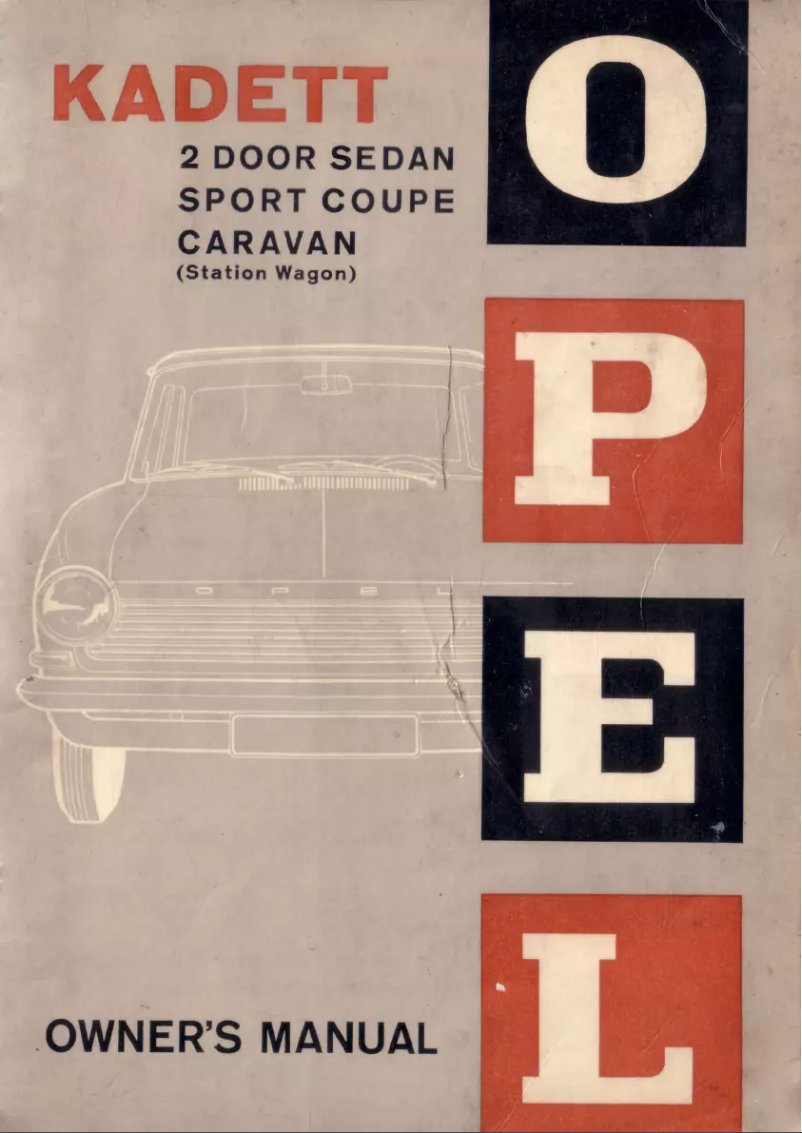
Editorial note
The Opel Kadett (1937) is a vehicle that is sure to attract the attention of classic car enthusiasts thanks to its classic and timeless design, which evokes a certain nostalgia. The reputation of the Opel brand for its quality and innovation ensures increased reliability and durability for this model, which is a major asset for owners. However, it is important to note that this vintage model has limitations. The performance, while satisfactory for a pleasant drive, may seem limited compared to modern standards. Additionally, finding spare parts and repair services can be challenging due to the age of the vehicle. The fuel consumption of the Opel Kadett (1937) is also less efficient compared to contemporary cars, which can lead to higher operating costs. Furthermore, the lack of modern technologies and advanced safety features may reduce its appeal to current buyers. Finally, compliance with current emissions standards may pose a problem in certain jurisdictions, which is a factor to consider for potential buyers. Overall, the Opel Kadett (1937) charms with its aesthetics and the quality of Opel's craftsmanship, but it is essential to weigh the drawbacks related to its age before making a purchasing decision.Score details
Design
The classic and timeless design of the Opel Kadett (1937) attracts attention and evokes a certain nostalgia for vintage car enthusiasts.
reliability
Opel's reputation for quality and innovation ensures increased reliability and durability for this model.
Performance
The performance, while suited for a pleasant driving experience, may seem limited compared to modern standards.
repairability
The ease of maintenance is a plus due to the availability of user manuals, but the aging of the vehicle complicates the search for parts.
Value for money
Fuel consumption is less efficient than that of contemporary cars, which can lead to higher operating costs.
Features
The lack of modern technologies and advanced safety features may reduce its appeal to current buyers.
environmental_impact
Due to its age, the Opel Kadett (1937) may not meet current emissions standards, posing issues in certain jurisdictions.
Advantages
Timeless and nostalgic design
Recognized reliability and quality of Opel
Pleasant and high-performance driving
Easy maintenance with available manuals
Access to classic car events
Disadvantages
Difficulty finding spare parts
Obsolete design and limited comfort
High fuel consumption
Lack of modern technologies
Non-compliance with current emission standards
Technical Specifications Kadett (1937)
General Information
-
ModelKADETT (1937)
-
Brand
-
Category
-
Type
-
SKU218035
-
MPN218035
Frequently Asked Questions
How do I convert miles to kilometers?
Where can I find the VIN number of my Opel car?
What is the VIN number?
How often should I have my Opel car serviced?
When is it advisable to change the brake fluid in my Opel car?
What is the difference between E10 and E5 gasoline?
What should I do if one or more doors do not open from the inside?
What should I do if my car radio does not turn on?
Is the manual for the Opel Kadett (1937) available in French?
Similar products


More product categories from brand Opel
Audio Opel
More product types from brand Opel


Presentation of product Kadett (1937) specifications from brand Opel
General Information
The Opel Kadett (1937) is an iconic model from the Opel brand, known for its commitment to quality and innovation in the automotive sector. Designed to provide a pleasant driving experience, this classic vehicle evokes a sense of nostalgia and attracts vintage car enthusiasts with its timeless design.
The performance of the Opel Kadett is optimized to ensure a satisfying drive, even though its heritage dates back several decades. Ease of maintenance is also a plus, with the availability of user manuals that help owners better understand and maintain their vehicle, which is essential for preserving its original condition.
Owning an Opel Kadett (1937) allows participation in gatherings and events dedicated to vintage cars, thus providing the opportunity to join a passionate and dynamic community.
Advantages
- Classic design: A timeless style that attracts attention and evokes nostalgia.
- Brand reputation: Opel is recognized for its reliability and durability.
- Driving performance: Pleasant experience despite the model's age.
- Ease of maintenance: Access to manuals for better understanding and maintenance.
- Active community: Opportunity to participate in vintage car events.
Disadvantages
- Parts difficulties: Being an old vehicle, it may be hard to find replacement parts.
- Obsolete technology: The design and technical features do not meet modern standards.
- Fuel consumption: Less efficient compared to contemporary vehicles, leading to higher costs.
- Lack of modern technologies: Absence of navigation systems and advanced safety devices.
- Emission standards: May not comply with current environmental requirements.


