
Manual of product Sports 1600 (1970)
Editorial note
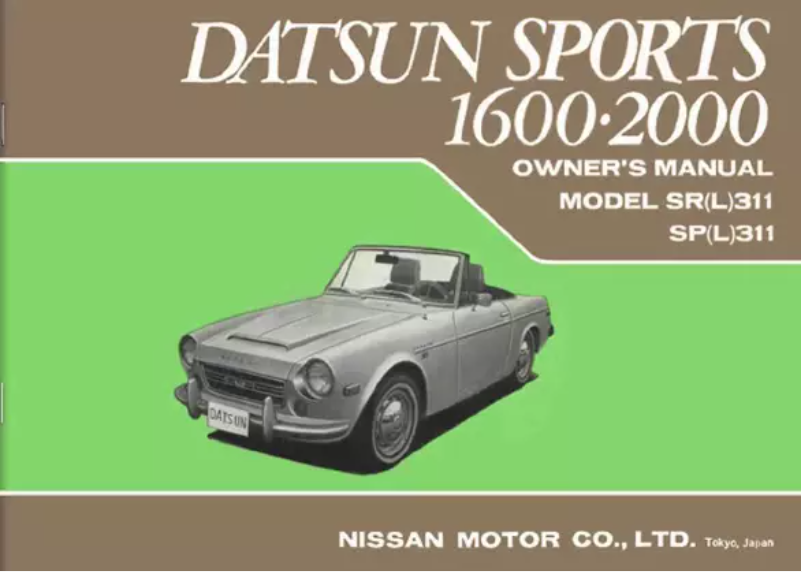
The Datsun Sports 1600 (1970) is a car that embodies a classic and timeless design, attracting vintage car enthusiasts with its aesthetic. This model stands out for its optimal performance, providing a pleasant driving experience on the road, although fuel consumption can be relatively high. User experience is generally positive, with appreciable handling. However, seat comfort may be an area for improvement, especially on long trips. Additionally, ease of maintenance is facilitated by the availability of a user manual, but the limited availability of spare parts could pose challenges for repairs. In terms of value for money, the Datsun Sports 1600 presents an attractive acquisition cost for enthusiasts, but operating costs may increase due to its fuel consumption and potential repairs. Finally, while the enthusiast community is an asset, the lack of modern safety features may represent a drawback for some buyers. Overall, the Datsun Sports 1600 (1970) is an appealing choice for those seeking an iconic car, while keeping in mind its limitations in comfort and safety.Score details
User experience
The user experience is pleasant thanks to reliable performance and appreciated handling, although the comfort of the seats could be an area for improvement.
Performance
The performance of the Datsun Sports 1600 (1970) is recognized as optimal, offering an enjoyable driving experience on the road, despite relatively high fuel consumption.
Design
The classic and timeless design appeals to vintage car enthusiasts, with a vintage aesthetic that gives it undeniable charm.
repairability
The simplicity of maintenance is facilitated by an available user manual, but the limited availability of spare parts can pose challenges.
Value for money
Although the Datsun Sports 1600 has an attractive price for enthusiasts, operating costs can increase due to its fuel consumption and potential repairs.
Support
Support for the community of enthusiasts is an asset, but the lack of advanced safety features may represent a drawback for some buyers.
Advantages
Vintage and timeless design
Reliable performance and pleasant handling
Reputable brand and strong heritage
Simplified maintenance with user manual
Active community of enthusiasts
Disadvantages
Hard-to-find spare parts
Limited seat comfort on long journeys
High fuel consumption
Less advanced safety than modern cars
Insufficient cabin soundproofing
Technical Specifications Sports 1600 (1970)
General Information
-
ModelSPORTS 1600 (1970)
-
Brand
-
Category
-
Type
-
SKU983984
-
MPN983984
Frequently Asked Questions
How do I convert miles to kilometers?
Where can I find the VIN number of my Datsun?
What is the VIN number?
What is the recommended frequency for servicing my Datsun?
How often should I change the brake fluid in my Datsun?
What is the difference between E10 and E5 gasoline?
What should I do if one or more doors do not open from the inside?
My car radio won't turn on, what should I check?
Is the manual for the Datsun Sports 1600 (1970) available in French?
Similar products


More product categories from brand Datsun
More product types from brand Datsun

Presentation of product Sports 1600 (1970) specifications from brand Datsun
General Information
The Datsun Sports 1600 (1970) is an iconic model from the Datsun brand, known for its commitment to quality and innovation in the automotive sector. This vehicle stands out with its vintage design that particularly attracts classic car enthusiasts and fans of period automotive aesthetics. The Datsun Sports 1600 offers reliable performance, enjoyable handling, and a pleasant driving experience, making it a popular choice among collectors.
Advantages
Among the many strengths of the Datsun Sports 1600, its classic and timeless design appeals to those seeking authenticity. Its optimal performance and handling ensure a pleasant drive on the road. Additionally, the heritage of the Datsun brand, recognized for its quality, gives this model a collectible status, thus attracting an active community of enthusiasts. The ease of maintenance is also an advantage, thanks to an accessible user manual for common repairs.
Disadvantages
However, the Datsun Sports 1600 has some drawbacks. The availability of spare parts can be limited, making repairs potentially costly and complicated. Furthermore, the seat comfort may not be suitable for long journeys, especially in comparison to modern vehicles. Its fuel consumption is relatively high compared to current standards, which can impact operating costs. Additionally, the safety features of this model are less advanced than those of contemporary cars, which may pose an increased risk. Finally, the soundproofing of the cabin may not meet modern expectations, thus affecting driving comfort.


