
Manual of product Sunny Wagon (1981)
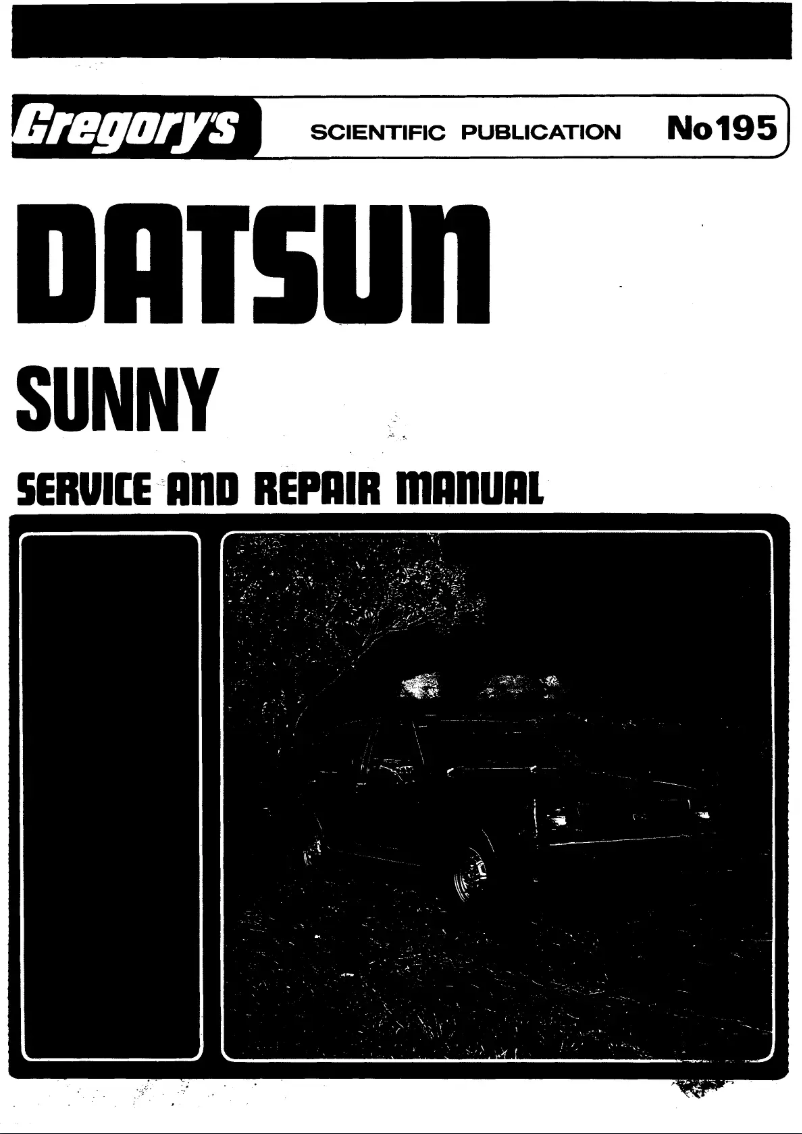
Editorial note
The Datsun Sunny Wagon (1981) stands out as a versatile vehicle, particularly suited for families or individuals needing a large cargo capacity. Its robust design reflects the Datsun brand's reputation for durability, thus offering appreciable longevity, even if the age of the model may lead to high repair costs. The retro design of this car attracts vintage style enthusiasts, adding a distinctive character that makes it unique on the road. However, it is important to note that the comfort and technology on board seem outdated compared to modern standards, which could diminish the driving pleasure. Furthermore, although the model is supposed to be fuel-efficient, its consumption may prove less effective in daily use, leading to additional expenses. The ease of maintenance of the Sunny Wagon is an asset, but the difficulty in finding spare parts may limit repair and maintenance options. In summary, the Datsun Sunny Wagon (1981) is a practical choice for those who prioritize robustness and retro style, while keeping in mind the compromises related to its age.Score details
User experience
The comfort and technology on board may seem outdated compared to modern standards, making the driving experience less enjoyable.
Performance
Although the Datsun Sunny Wagon (1981) is designed to be fuel-efficient, the consumption may be less effective, representing an additional cost for users on a daily basis.
Design
With its retro design, the Datsun Sunny Wagon (1981) appeals to those who appreciate vintage style and seek a car with a distinctive character.
Value for money
The simplicity of maintenance and the reliability of the Datsun brand make it a practical choice, although repair costs may be high due to the age of the model.
repairability
Spare parts can be difficult to find, limiting repair and maintenance options.
Robustness
Datsun is known for the robustness of its vehicles, and the Sunny Wagon is no exception, offering durability that allows it to be kept for a long time without major issues.
Advantages
Generous loading capacity
Recognized reliability and durability
Appreciable fuel economy
Distinctive retro design
Simple and low-cost maintenance
Disadvantages
Frequent reliability issues
Outdated comfort and technology
High fuel consumption
Difficulty finding spare parts
Insufficient safety level
Technical Specifications Sunny Wagon (1981)
General Information
-
ModelSUNNY WAGON (1981)
-
Brand
-
Category
-
Type
-
SKU85920
-
MPN85920
Frequently Asked Questions
How do I convert miles to kilometers?
Where can I locate the VIN number of my Datsun?
What is the VIN number?
How often should I have my Datsun serviced?
When is it advisable to change the brake fluid in my Datsun?
What is the difference between E10 and E5 gasoline?
One or more doors won't open from the inside, what should I do?
My car radio won't turn on, what should I do?
Is the manual for the Datsun Sunny Wagon (1981) available in French?
Similar products


More product categories from brand Datsun
More product types from brand Datsun

Presentation of product Sunny Wagon (1981) specifications from brand Datsun
General Information
The Datsun Sunny Wagon (1981) is an iconic vehicle from the Datsun brand, known for its commitment to quality and innovation in the automotive sector. This model, released in 1981, stands out for its versatility and reliable performance, offering a pleasant driving experience and a commendable user experience.
Advantages
The Datsun Sunny Wagon (1981) has several notable advantages:
- Versatility: Its generous cargo capacity makes it ideal for families and individuals needing to transport bulky items.
- Reliability: Datsun is famous for the robustness of its vehicles, and this model is no exception, ensuring long-term durability.
- Fuel economy: Designed to be fuel-efficient, it represents an interesting option for those looking to reduce their expenses.
- Classic design: Its retro style appeals to vintage car enthusiasts, adding a touch of character on the road.
- Ease of maintenance: Its simple mechanical design generally makes maintenance easy and inexpensive, a plus for owners.
Disadvantages
However, the Datsun Sunny Wagon (1981) also has some drawbacks:
- Reliability issues: Due to its age, it may encounter reliability problems, leading to potentially high repair costs.
- Outdated comfort: The level of comfort and onboard technologies may seem outdated compared to modern standards, affecting the driving experience.
- Fuel consumption: Although economical, its consumption may be less efficient, which can represent an additional daily cost.
- Parts scarcity: The availability of spare parts can be an issue, limiting repair and maintenance options.
- Safety level: Safety standards may not meet contemporary requirements, posing a potential risk to occupants.


