

Manual of product Grand Prix (1999)

Editorial note
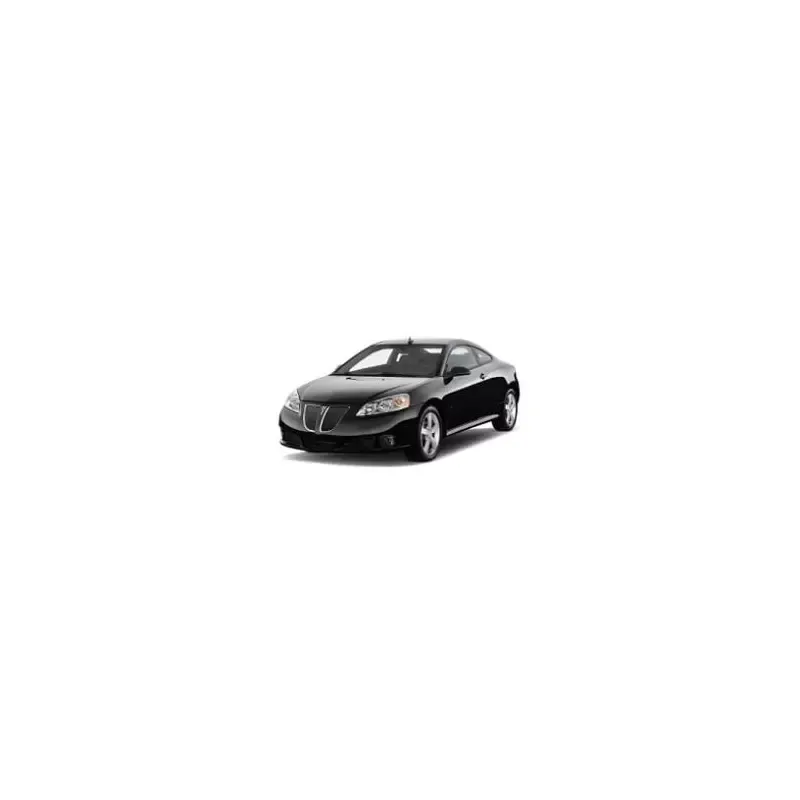
The Pontiac Grand Prix (1999) stands out with its classic and iconic design, inevitably attracting attention on the road. Its generous interior space ensures optimal comfort for passengers, making it an interesting option for long trips. Additionally, the reliability of the Pontiac brand is a major asset, guaranteeing satisfactory performance for most drivers. However, this model also has notable drawbacks. Its relatively high fuel consumption compared to modern standards can lead to additional costs, which may deter some buyers. Furthermore, the safety and comfort technologies have become outdated, which does not always meet the expectations of today's users. Finding replacement parts can also prove difficult due to the car's age, and reliability issues related to the transmission and electronics have been reported by some owners. In summary, the Pontiac Grand Prix (1999) is a car that combines charm and comfort, but it requires consideration of its limitations in terms of consumption and technologies for an optimal driving experience.Score details
User experience
The Pontiac Grand Prix (1999) offers a pleasant user experience thanks to its generous interior space and iconic design, although some technologies are outdated.
Performance
The performance is optimal for a pleasant ride, but the fuel consumption is relatively high, which can be a problem for some drivers.
Design
The classic and iconic design of this car attracts attention on the road, which is an undeniable asset.
Support
The user manual is a good resource for maximizing the use of features, but finding spare parts can be difficult due to the age of the model.
Robustness
Although reliability is generally appreciated, reported issues regarding the transmission and electronics raise questions about the vehicle's robustness.
Advantages
Recognized reliability of the Pontiac brand
Optimal performance for enjoyable trips
Classic and elegant design
User manual for easy handling
Generous and comfortable interior space
Disadvantages
High fuel consumption
Outdated technologies
Difficulty finding parts
Poor performing suspension
Reported reliability issues
Technical Specifications Grand Prix (1999)
General Information
-
ModelGRAND PRIX (1999)
-
Brand
-
Category
-
Type
-
SKU1569472
-
MPN1569472
Frequently Asked Questions
How do I convert miles to kilometers?
Where is the VIN number on my Pontiac?
What is a vehicle's VIN number?
How often should I have my Pontiac serviced?
When is it recommended to change the brake fluid in my Pontiac?
What is the difference between E10 and E5 gasoline?
What should I do if one or more doors do not open from the inside?
My car radio won't turn on, what should I do?
Is the manual for the Pontiac Grand Prix (1999) available in French?
Similar products


More product categories from brand Pontiac
More product types from brand Pontiac

Presentation of product Grand Prix (1999) specifications from brand Pontiac
General Information
The Pontiac Grand Prix (1999) is an iconic model from the Pontiac brand, known for its commitment to quality and innovation. This vehicle, although dating back to the late 90s, has managed to attract many drivers thanks to its reliable performance and pleasant driving experience.
This model offers a classic design that catches the eye on the road, while ensuring a generous interior space, perfect for long trips. Passengers can enjoy optimal comfort, making every journey enjoyable.
A notable advantage of the Pontiac Grand Prix (1999) is the presence of a user manual, which facilitates handling and helps maximize the use of the car's various features.
Advantages
The Pontiac Grand Prix (1999) has several advantages, including:
- A reputation for reliability, appreciated by many drivers.
- Technical features designed to offer optimal performance.
- A distinctive style that stands out on the road.
- A spacious interior ensuring comfortable seating for passengers.
Disadvantages
However, this model is not without its flaws. Here are some disadvantages to consider:
- Relatively high fuel consumption compared to contemporary models, which can lead to additional costs.
- Safety and comfort technologies that may seem outdated to modern drivers.
- Potential difficulties in finding spare parts, given the age of the model.
- A suspension system that may be less effective, affecting comfort on poorly maintained roads.
- Reliability issues reported by some owners, particularly concerning the transmission and electronics.


