
Manual of product Bus (1975)
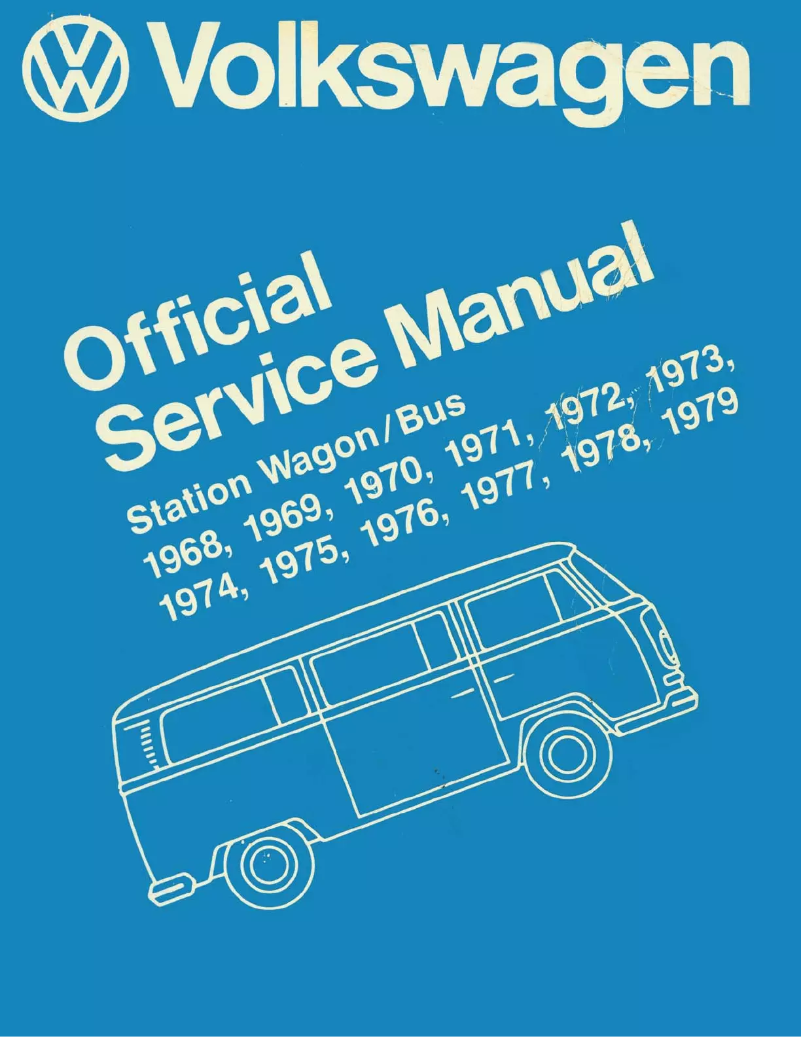
Editorial note
The Volkswagen Bus (1975) is an iconic vehicle that immediately catches the eye with its retro design, reminiscent of the 70s. Its unique aesthetic evokes nostalgia, making it a popular choice among classic car enthusiasts. Additionally, its generous interior space is perfect for families or groups, offering appreciable comfort during trips. However, despite its many advantages, this model has some notable drawbacks. Its fuel consumption is relatively high compared to modern standards, which can lead to higher operating costs. Furthermore, the lack of certain modern safety features could make the vehicle less safe in the event of an accident, a crucial aspect to consider for potential buyers. In terms of performance, the engine of the Volkswagen Bus (1975) is limited, which could impact acceleration and highway driving, making long fast trips less enjoyable. Moreover, finding specific replacement parts can be challenging, although the availability of a wide range of accessories makes customization easier. In summary, the Volkswagen Bus (1975) represents a great option for those seeking a vehicle with distinctive design and an authentic driving experience, but it is essential to weigh these advantages against its limitations in terms of consumption, safety, and performance.Score details
Design
The iconic and retro design catches the eye and evokes nostalgia for the 70s, making it a highly appreciated vehicle.
User experience
The generous interior space is ideal for families or groups, allowing for comfortable travel and a unique driving experience.
Performance
Engine performance is limited, which can affect acceleration and highway driving, making the vehicle less suitable for fast long trips.
Value for money
Although fuel consumption is high compared to modern standards, the reliability and durability of the Volkswagen brand partly justify the cost of ownership.
repairability
The difficulty in finding specific spare parts can complicate maintenance, although the wide range of available accessories makes customization easier.
safety
The absence of certain modern safety features may make the vehicle less safe in the event of an accident, which is a point to consider for buyers.
comfort
Interior comfort may be considered rudimentary compared to contemporary standards, which could make long trips less enjoyable.
Advantages
Iconic and nostalgic retro design
Spacious interior space for families
Renowned reliability of Volkswagen
Customization with numerous available accessories
Authentic driving experience and feeling of freedom
Disadvantages
High fuel consumption.
Lack of modern safety.
Difficulty finding parts.
Limited engine performance.
Basic interior comfort.
Technical Specifications Bus (1975)
General Information
-
ModelBUS (1975)
-
Brand
-
Category
-
Type
-
SKU96552
-
MPN96552
Frequently Asked Questions
How do I convert miles to kilometers?
Where can I find the VIN number of my Volkswagen?
What is the VIN number?
What is the recommended frequency for servicing my Volkswagen?
When is it advisable to change the brake fluid in my Volkswagen?
What is the difference between E10 and E5 gasoline?
What should I do if one or more doors do not open from the inside?
My car radio won't turn on, what should I check?
Is the manual for the Volkswagen Bus (1975) available in French?
Similar products


More product categories from brand Volkswagen
More product types from brand Volkswagen


Presentation of product Bus (1975) specifications from brand Volkswagen
General Information
The Volkswagen Bus (1975) is an iconic vehicle from the Volkswagen brand, known for its commitment to quality and innovation. This model, which embodies the spirit of the 70s, stands out with its retro design that evokes nostalgic memories. The Volkswagen Bus (1975) offers a unique driving experience, allowing users to authentically connect with the road while enjoying remarkable interior space comfort, ideal for families or groups.
Advantages
The Volkswagen Bus (1975) has several notable advantages:
- Iconic design: Its retro look catches the eye and revives the nostalgia of the 70s.
- Generous interior space: Designed to comfortably accommodate passengers, it is perfect for group travel.
- Brand reliability: Volkswagen is synonymous with durability and solid construction.
- Easy customization: A wide range of accessories and spare parts is available, allowing for personalization of the vehicle according to individual tastes.
- Authentic driving experience: This model provides a sense of freedom on the road, true to its heritage.
Disadvantages
However, the Volkswagen Bus (1975) also has some disadvantages:
- Fuel consumption: Its energy efficiency is below modern standards, leading to higher operating costs.
- Lack of modern safety features: Some contemporary safety features are missing, which may reduce safety in the event of an accident.
- Difficulty in sourcing parts: Finding specific spare parts can be complicated, making maintenance and repairs more challenging.
- Limited engine performance: Its engine may struggle to provide adequate acceleration, especially on the highway.
- Sometimes rudimentary interior comfort: Compared to modern standards, comfort may seem basic on long journeys.


