
Manual of product Bus (1976)
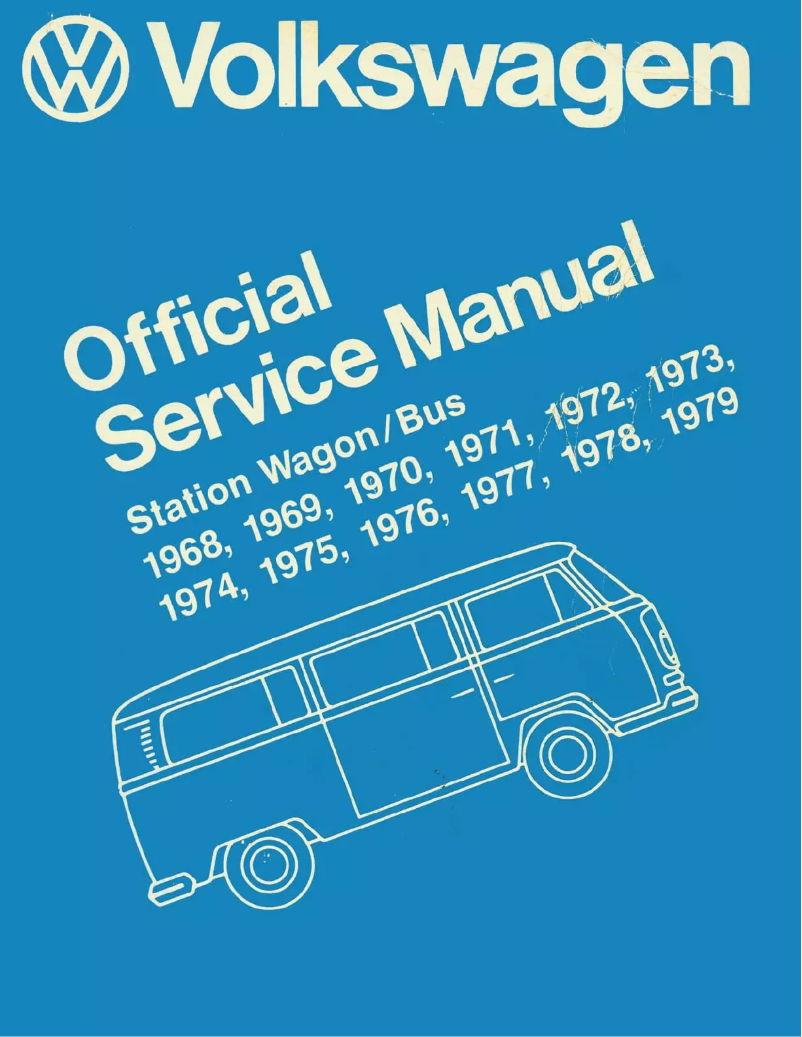
Editorial note
The Volkswagen Bus (1976) is an iconic vehicle that attracts attention with its retro design, evoking nostalgic memories. Its large transport capacity makes it an ideal choice for families and groups, offering a modular interior space that easily adapts to needs, whether for camping trips or daily commutes. However, this model has some drawbacks. Its high fuel consumption compared to modern standards can lead to higher operating costs. Additionally, the outdated safety technology does not meet current standards, raising concerns about safety while driving. Storage space is also limited, making long trips less convenient for multiple passengers. Regarding performance, the robust engine provides good road performance, although its capabilities are moderate on highways or rough terrain. The limited availability of spare parts complicates maintenance and repairs, which can be costly and tedious. In summary, the Volkswagen Bus (1976) is appealing for its design and space, but potential buyers should consider its limitations in terms of consumption, safety, and maintenance.Score details
Design
The iconic and retro design of the Volkswagen Bus (1976) attracts attention and evokes nostalgic memories, making it a unique vehicle.
User experience
The modular interior space and large transport capacity make the user experience enjoyable, especially for families and groups.
Performance
The robust and reliable engine offers good performance on the road, but performance may be limited on highways or rough terrain.
Value for money
The high fuel consumption and limited availability of spare parts can lead to higher operating costs.
repairability
The limited availability of spare parts makes maintenance and repairs more difficult and expensive, which can be a major drawback.
safety
The outdated safety technology does not meet current standards, which can pose risks while driving.
Advantages
Retro and iconic design
Spacious transport capacity
Robust and reliable engine
Modular interior for various needs
Passionate and engaged community
Disadvantages
High fuel consumption
Outdated and risky safety
Limited storage space
Hard-to-find spare parts
Moderate engine performance
Technical Specifications Bus (1976)
General Information
-
ModelBUS (1976)
-
Brand
-
Category
-
Type
-
SKU96553
-
MPN96553
Frequently Asked Questions
How can I convert miles to kilometers?
How can I locate the VIN number of my Volkswagen?
What is a vehicle's VIN number?
How often should I have my Volkswagen serviced?
When is it advisable to replace the brake fluid in my Volkswagen?
What is the difference between E10 and E5 gasoline?
What should I do if one or more doors do not open from the inside?
My car radio is off, what should I do?
Is the manual for the Volkswagen Bus (1976) available in French?
Similar products


More product categories from brand Volkswagen
More product types from brand Volkswagen


Presentation of product Bus (1976) specifications from brand Volkswagen
General Information
The Volkswagen Bus (1976) is an iconic vehicle from the Volkswagen brand, known for its commitment to quality and innovation in the automotive industry. This model, dating back to 1976, stands out for its retro style and unique design that attract attention and evoke nostalgia among classic car enthusiasts.
Designed to meet the needs of families and groups, the Volkswagen Bus offers a large transport capacity, allowing for comfortable travel over long distances. Its robust and reliable engine ensures good performance on the road, making it a suitable choice for various types of trips, whether for camping vacations or simple daily commutes.
Another advantage of this model lies in its modular interior space, which allows for configuration adjustments according to the needs of passengers or cargo. The passionate community of Volkswagen owners and enthusiasts also facilitates the exchange of information and advice, thus enriching the user experience.
Advantages and Disadvantages
Advantages
- Iconic and retro design, captivating for enthusiasts.
- Generous transport capacity, ideal for families and group outings.
- Robust engine, offering good performance on the road.
- Modular interior space, adaptable to different needs.
- Active community of enthusiasts, promoting information exchange.
Disadvantages
- Relatively high fuel consumption compared to modern standards, leading to higher operating costs.
- Outdated safety technology, not meeting current standards, which may pose risks while driving.
- Limited storage space and sometimes impractical interior layout for long trips with multiple passengers.
- Difficulty in finding spare parts, making maintenance and repairs more complex and costly.
- Moderate engine performance, which may affect driving on highways or rough terrain.


